
Planning Your Next Equipment Purchase
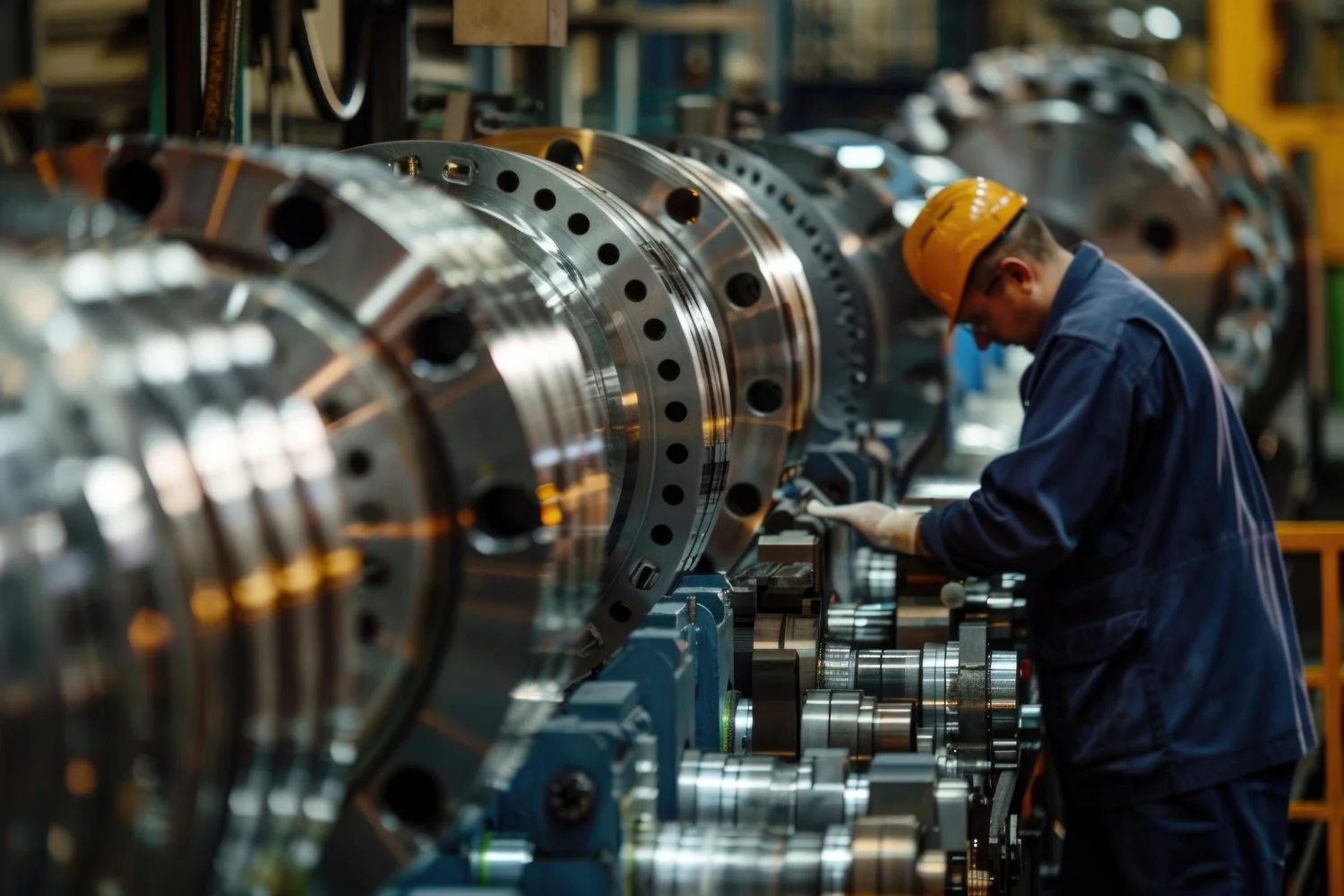
Buying new equipment can be an important step in growing a business. Whether you are replacing ageing machinery, purchasing another vehicle, upgrading technology or investing in specialist equipment, the right purchase can improve productivity, increase capacity and help your business take on new opportunities.
However, equipment can also represent a significant financial commitment. Before signing a purchase agreement or applying for finance, it is worth looking beyond the purchase price and considering how the investment fits into your wider business and cashflow plans.
Start With the Business Need
Before looking at finance, ask a simple question: What problem will this equipment solve?
A new machine, vehicle or piece of technology should ideally contribute to the business in a measurable way. It might increase production capacity, reduce labour costs, improve efficiency, replace unreliable equipment or allow the business to offer a new service.
Consider whether the purchase will help you:
Complete work faster or more efficiently
Take on additional customers or contracts
Reduce maintenance and repair costs
Improve the quality of your product or service
Reduce reliance on outsourced equipment
Improve workplace productivity
Replace equipment approaching the end of its useful life
Understanding the commercial reason for the purchase makes it easier to determine whether the investment makes financial sense.
Look Beyond the Purchase Price
One of the most common mistakes when purchasing equipment is focusing entirely on the advertised price.
The real cost of ownership can include finance costs, insurance, servicing, repairs, fuel or electricity, registration, software subscriptions, operator training and eventual replacement costs.
For example, a cheaper piece of equipment that requires frequent repairs may ultimately cost the business more than a higher-quality alternative.
Preparing a realistic total-cost estimate before purchasing can provide a much clearer picture of what the investment will mean for the business.
Understand the Impact on Cashflow
A business can be profitable and still experience cashflow pressure.
Before committing to new equipment, consider how the deposit, repayments and ongoing operating expenses will affect your monthly cash position.
Prepare a cashflow forecast that includes the proposed purchase. Look at your expected sales, expenses, tax payments, wages, existing loan commitments and seasonal fluctuations.
Ideally, the business should still have sufficient working capital available after making the purchase. Using most of your available cash to buy equipment outright may leave the business vulnerable when an unexpected expense or quieter trading period arrives.
Buying Outright or Financing?
There is no single funding approach that suits every business.
Paying cash can eliminate financing costs, but it also reduces the cash available for wages, inventory, marketing and other operating expenses.
Financing may allow the business to preserve working capital and spread the cost over time. Depending on the equipment and circumstances, funding options may include equipment finance, asset finance, hire purchase, leasing or other business lending arrangements.
The important consideration is not simply whether finance is available. It is whether the repayments comfortably fit within the business's expected cashflow.
Will the Equipment Generate a Return?
Equipment should generally be viewed as an investment rather than simply an expense.
Consider what financial benefit the business expects to receive from the purchase.
For example, if new machinery costs $100,000 but allows the business to increase production, reduce outsourcing and complete additional work, those benefits can be compared with the cost of purchasing and operating the machine.
Ask:
How much additional revenue could the equipment generate?
How much could it save the business?
How long will it take for those benefits to justify the investment?
Even a simple return-on-investment calculation can help you compare different options.
New Versus Used Equipment
Brand-new equipment may offer improved technology, better efficiency, warranties and potentially lower maintenance requirements. However, purchasing used equipment can significantly reduce the initial investment.
The right choice depends on how critical the equipment is to your operation, expected usage, reliability, maintenance history and the price difference between new and used alternatives.
For heavily used or business-critical machinery, reliability may be more important than achieving the lowest purchase price.
Consider the Tax and Accounting Implications
Purchasing equipment can have GST, depreciation and income tax implications.
The accounting treatment will depend on factors including what is purchased, how it is used, how the purchase is financed and whether there is any private use.
Equipment is generally treated as a business asset rather than simply claiming the full purchase price as an immediate operating expense, although specific tax rules and concessions can affect the treatment of certain assets.
If you are GST registered, GST treatment may also need to be considered.
Discussing the proposed purchase with your accountant before committing can help you understand the likely accounting and tax treatment rather than discovering it after the transaction has taken place.
Don't Forget Your Existing Debt
Before adding another finance commitment, review the business's existing loans and repayment obligations.
Multiple equipment loans, vehicle finance agreements and other business debts can gradually place pressure on cashflow.
Sometimes restructuring existing debt alongside a new equipment purchase may provide a more manageable overall funding structure. This should be assessed carefully based on the cost of refinancing, interest rates, repayment terms and the financial position of the business.
Think About Timing
The right equipment purchased at the wrong time can still create financial pressure.
If the business is approaching a seasonal downturn, a major tax payment or another significant expense, delaying the purchase may provide greater financial flexibility.
On the other hand, if equipment is required to fulfil confirmed contracts or meet increasing customer demand, purchasing sooner may allow the business to capture additional revenue.
Good timing comes from understanding your numbers and looking ahead.
Prepare Before Applying for Finance
If you intend to finance your equipment purchase, being prepared can make the lending process considerably easier.
Lenders may want to understand your financial performance, cashflow, existing debt commitments and the purpose of the equipment.
Having up-to-date financial information, tax returns and forecasts available can help demonstrate that the proposed purchase has been properly considered.
A strong finance application should explain not only what you want to buy, but also why the business needs it and how the repayments will be supported.
Make the Purchase Part of Your Business Plan
Equipment purchasing should not happen in isolation.
Consider how the investment fits into where you want the business to be over the next two, three or five years.
If you are planning to expand your team, move premises, increase production or enter a new market, your equipment requirements should form part of that broader strategy.
Planning ahead also helps prevent reactive purchases when equipment suddenly breaks down or demand unexpectedly increases.
Get the Numbers Right Before You Commit
A new piece of equipment can create significant opportunities for a business, but the decision should be supported by more than enthusiasm for the latest machinery or vehicle.
Review the total cost, expected return, cashflow impact, finance structure, tax implications and your broader business plans before committing.
At Tax Professionals, we can help you assess the financial impact of a proposed equipment purchase, prepare cashflow forecasts and review how the investment fits within your wider business strategy.
Where external funding is required, working with an experienced business finance specialist can also help you explore appropriate lending pathways and structure the funding around your circumstances.
Planning your next equipment purchase? Get the numbers working before you put the equipment to work.